Mgr. Eva Dařenová, Ph.D. – head
Scientists:
Ing. Manuel Acosta, Ph.D.
Mgr. Adam Bednařík, Ph.D.
Dr. Philippe Ciais
Mgr. Jiří Dušek, Ph.D.
Ing. Milan Fischer, Ph.D.
doc. Ing. Dalibor Janouš, CSc.
Ing. Lukáš Kokrda
MSc. Natalia Kowalska, Ph.D.
Dr. John David Marshall
Mgr. Marian Pavelka, Ph.D.
Ing. Štěpánka Řehořková, Ph.D.
Mgr. Ladislav Šigut, Ph.D.
Ph.D. students:
Ing. Libor Joura
Ing. Pavol Klimo
MSc. Carlos Sosa Pérez
Ing. Jan Vavřina
Ing. Roman Vitásek
Ms. Khue Hoang Ngoc Vu
Others:
Mgr. Radek Czerný
Ing. Stanislav Stellner
Mgr. Jan Trusina
Our main goal is to understand how climate change and human activities affect the health and functioning of ecosystems, their ability to absorb carbon from the atmosphere, and their emissions of greenhouse gases. We also aim to predict how these processes may change in the future.
We study key physiological processes at different scales, from entire ecosystems to their individual components, such as soils and trees. Our research focuses particularly on:
- CO2 uptake from the atmosphere – photosynthesis, also called net primary production
- CO2 release into the atmosphere – respiration
- Ecosystem carbon balance – the balance between carbon uptake and carbon release, which determines how much carbon is sequestered in the ecosystem
- Transpiration – the release of water vapour from plants into the atmosphere
- Natural exchange of other greenhouse gases – particularly methane (CH4) and nitrous oxide (N2O)
Research groups
Ecosystem-scale fluxes of CO2, CH4, water vapour and energy
Our research is conducted through the unique CzeCOS network of ecosystem research stations, covering the main ecosystem types found in the Czech Republic, including forests, grasslands, agricultural fields, and wetlands. Some of these stations are also part of ICOS (Integrated Carbon Observation System), a major European research infrastructure with ERIC (European Research Infrastructure Consortium) status.
Since 2026, we have been implementing the INETFLUX project within the CzeCOS research infrastructure, supported by the Czech–Swiss Cooperation Programme in the field of research infrastructures. Given the global impacts of climate change, we have also been collaborating with local universities to establish ecosystem research stations in Vietnam (a rice paddy agroecosystem) and Ghana (a tropical forest). We make data from our research stations freely available to the international scientific community through open-access databases, such as FLUXNET and DEIMS-SDR.
Each ecosystem research station is equipped with a meteorological tower carrying an eddy covariance system, which measures the exchange of gases and energy between the ecosystem and the atmosphere. Additional sensors installed at different heights on the tower and in the soil continuously monitor environmental conditions, helping us understand what drives these exchanges. The eddy covariance system consists of a three-dimensional sonic anemometer, which measures air movement, and a gas analyser, which measures concentrations of gases such as CO2, water vapour, and CH4. This technology allows us to continuously monitor ecosystem–atmosphere exchanges, with measurements summarised every 30 minutes. We can therefore determine how much CO2 and CH4 an ecosystem absorbs or releases, how much water it transfers to the atmosphere, and how much energy it exchanges with its surroundings.
Key research questions
- How much CO2, CH4, and water do different types of ecosystems absorb or release over the course of a year?
- How are annual carbon and water balances affected by changing weather conditions and extreme events, particularly increasingly severe droughts?
- How does climate change affect the timing of plant development (phenology) and the length of the growing season? How do delayed leaf emergence and frost damage influence the annual carbon balance of ecosystems?
- How can we make the best use of surface reflectivity (albedo) and the long-term capacity of ecosystems to absorb and store carbon to help mitigate climate change?
- How do ecosystem water loss and heat exchange differ between normal conditions and periods of drought?
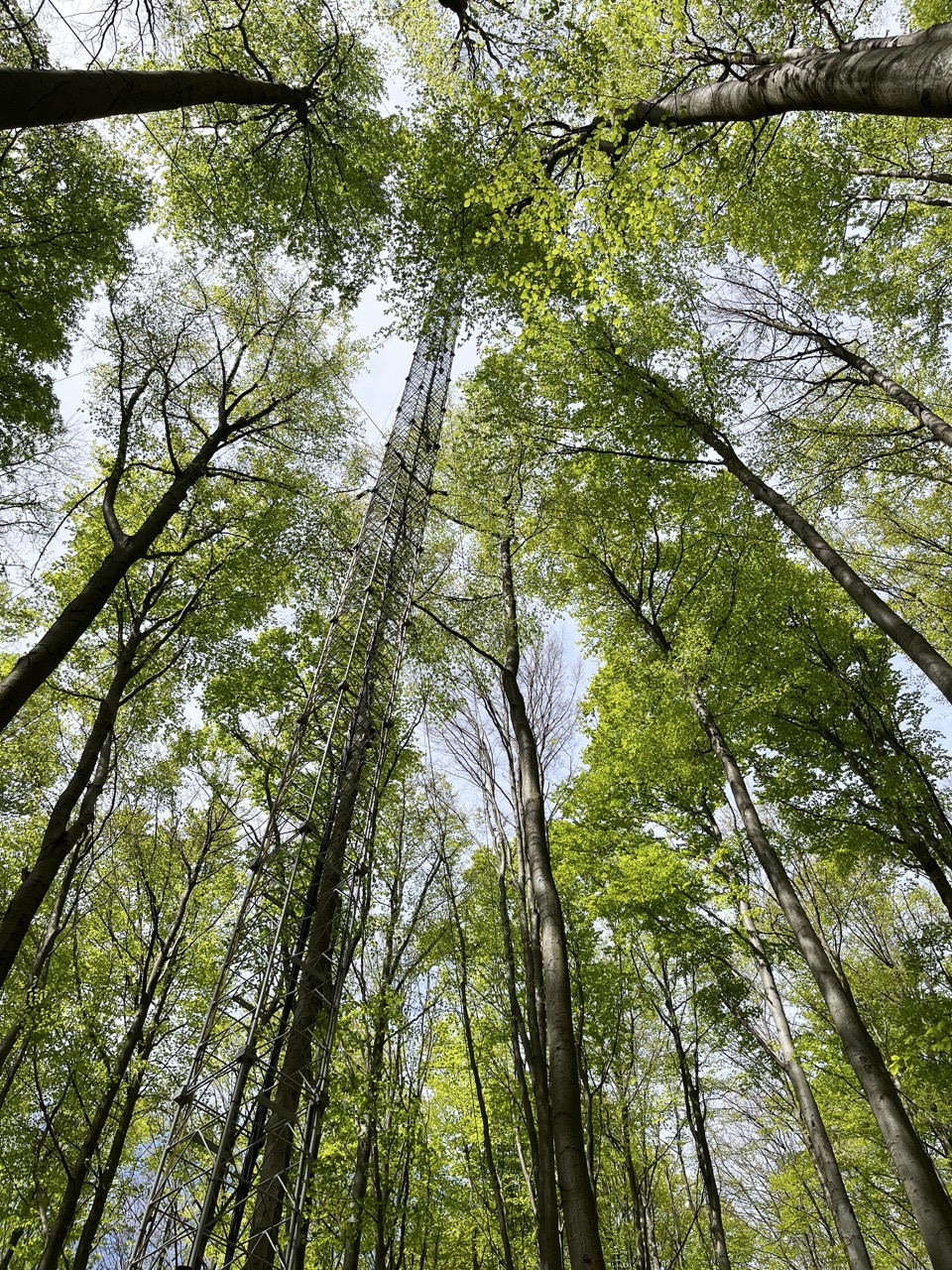
A meteorological tower equipped with a range of meteorological sensors and an eddy covariance system
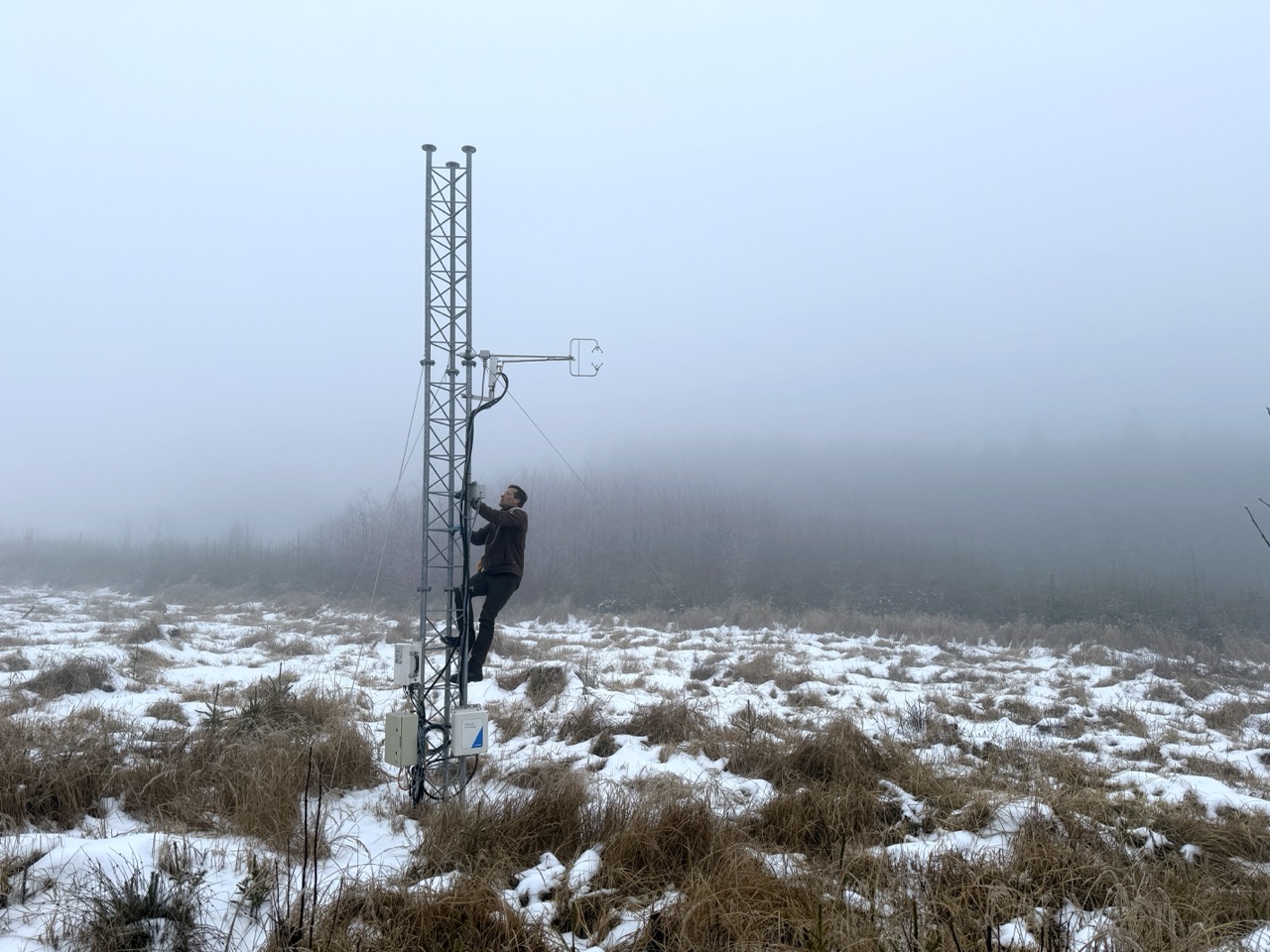
An eddy covariance tower measuring CO2 and water vapour fluxes at a research site following forest clear-cutting
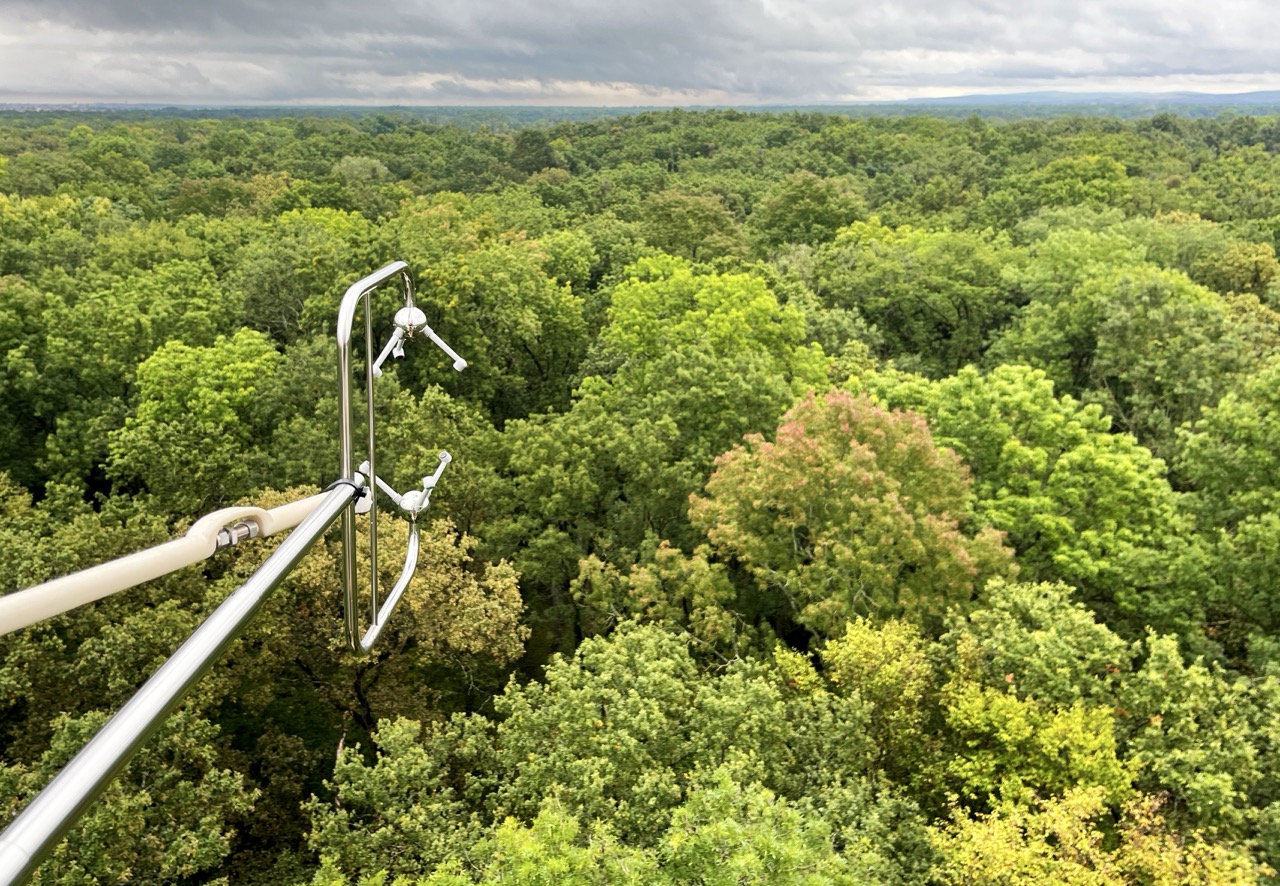
An eddy covariance system for measuring CO2, methane, and water vapour fluxes
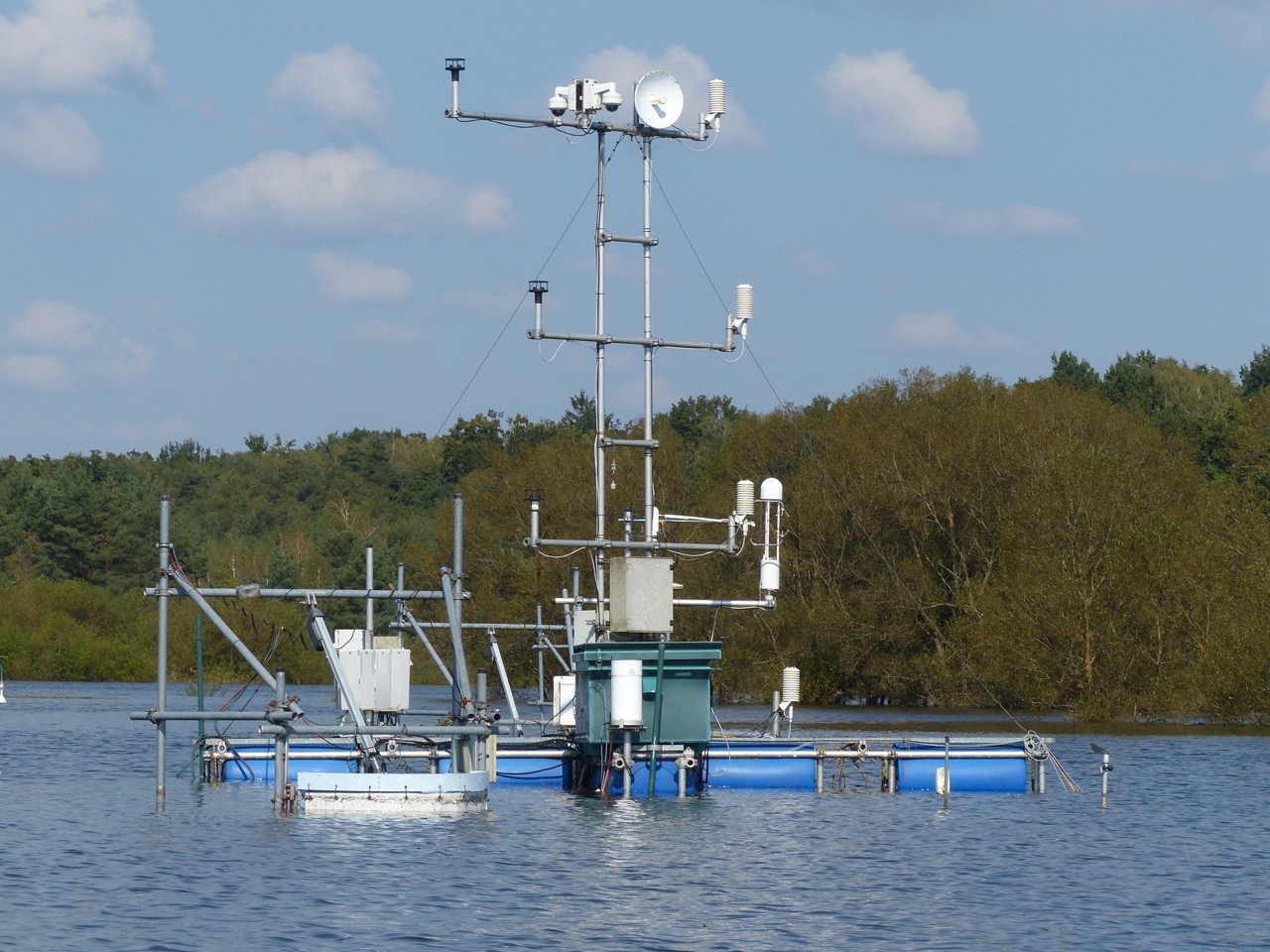
The eddy covariance system at the Mokré Louky wetland ecosystem station during the 2024 flood
Natural emissions of CO2 and other greenhouse gases
Carbon dioxide (CO2) is a natural part of the functioning of living organisms and entire ecosystems. It is released during respiration, a fundamental biological process through which organisms release the energy they need for growth, development, and survival. This process takes place continuously in plants, animals, and microorganisms.
Soil is a major natural source of CO2 emissions, primarily through the respiration of plant roots and soil microorganisms, such as bacteria and fungi. However, aboveground parts of vegetation, including tree stems, branches, and leaves, also respire and contribute significantly to the overall carbon balance of ecosystems.
Respiration rates, and consequently CO2 emissions, are strongly influenced by environmental conditions, particularly temperature and water availability. Climate change can therefore substantially affect the amount of CO2 released from soils and vegetation into the atmosphere.
Certain environmental conditions and human activities, such as waterlogging or fertilisation, can also promote the production and release of other greenhouse gases, particularly methane (CH4) and nitrous oxide (N2O). Increased greenhouse gas emissions may contribute to rising atmospheric concentrations and further warming, creating a feedback loop between climate change and ecosystem functioning.
Key research questions
- How much do soil and tree stem respiration contribute to the overall CO2 exchange of forest ecosystems?
- How do respiration rates respond to environmental conditions, extreme weather events, and ecosystem disturbances?
- How will climate change affect ecosystem respiration in the future?
- How do different agricultural practices, such as conventional tillage, no-till farming, and biochar application, affect emissions of CO2 and other greenhouse gases from agricultural soils?
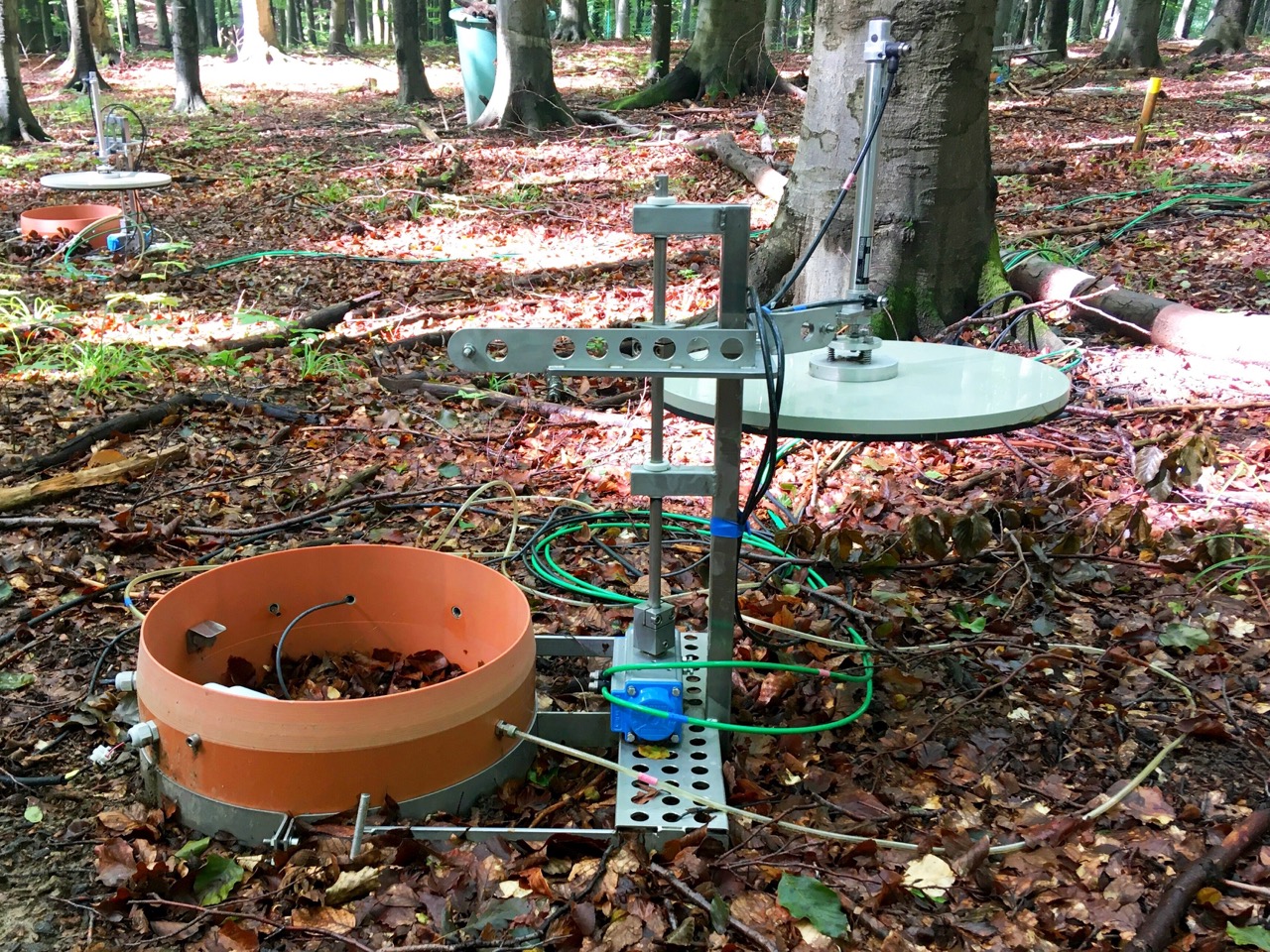

Automated chamber systems for measuring soil and stem respiration at ecosystem research stations
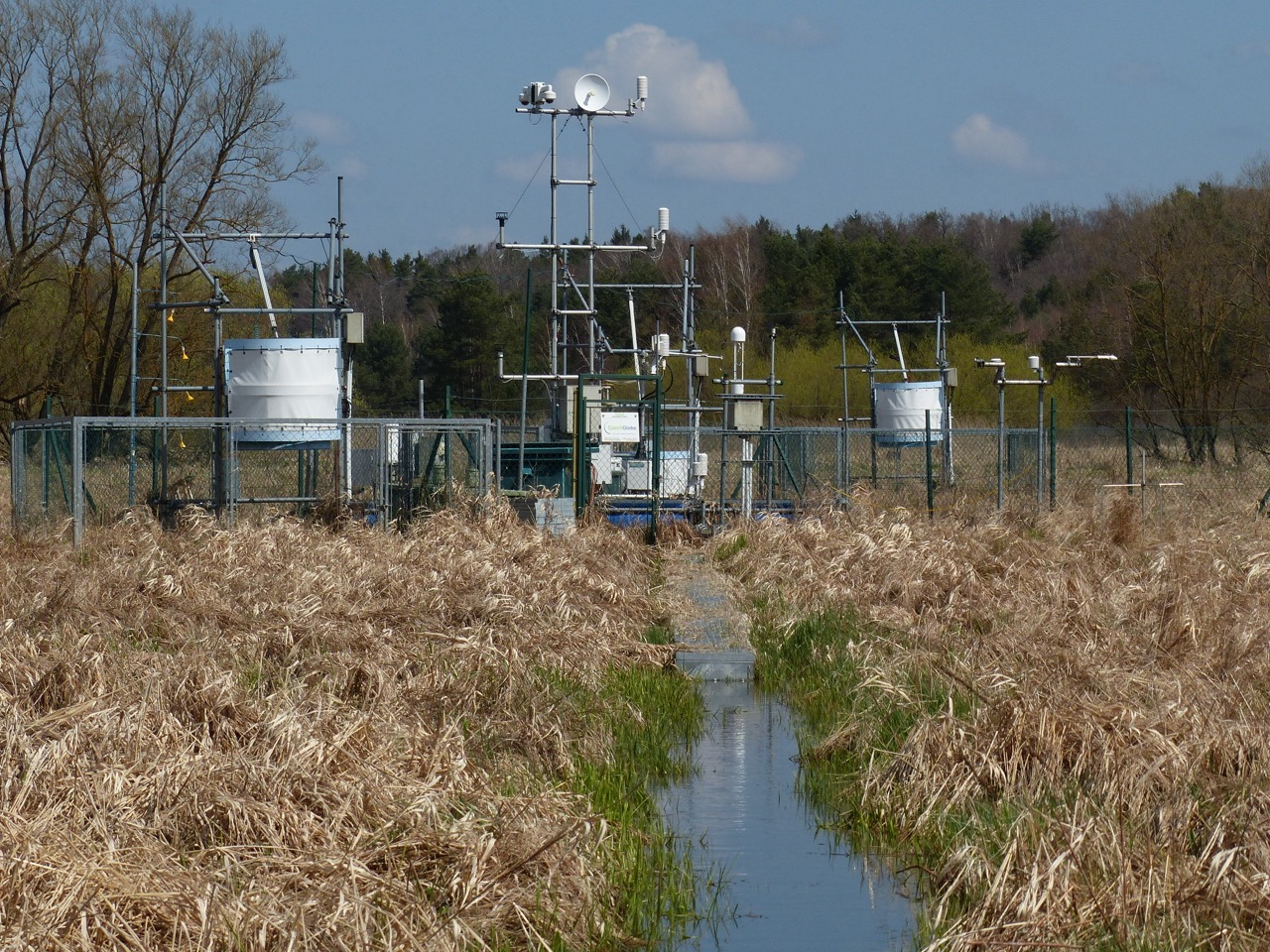
Automated chamber systems for measuring CO2 and CH4 fluxes from a wetland ecosystem
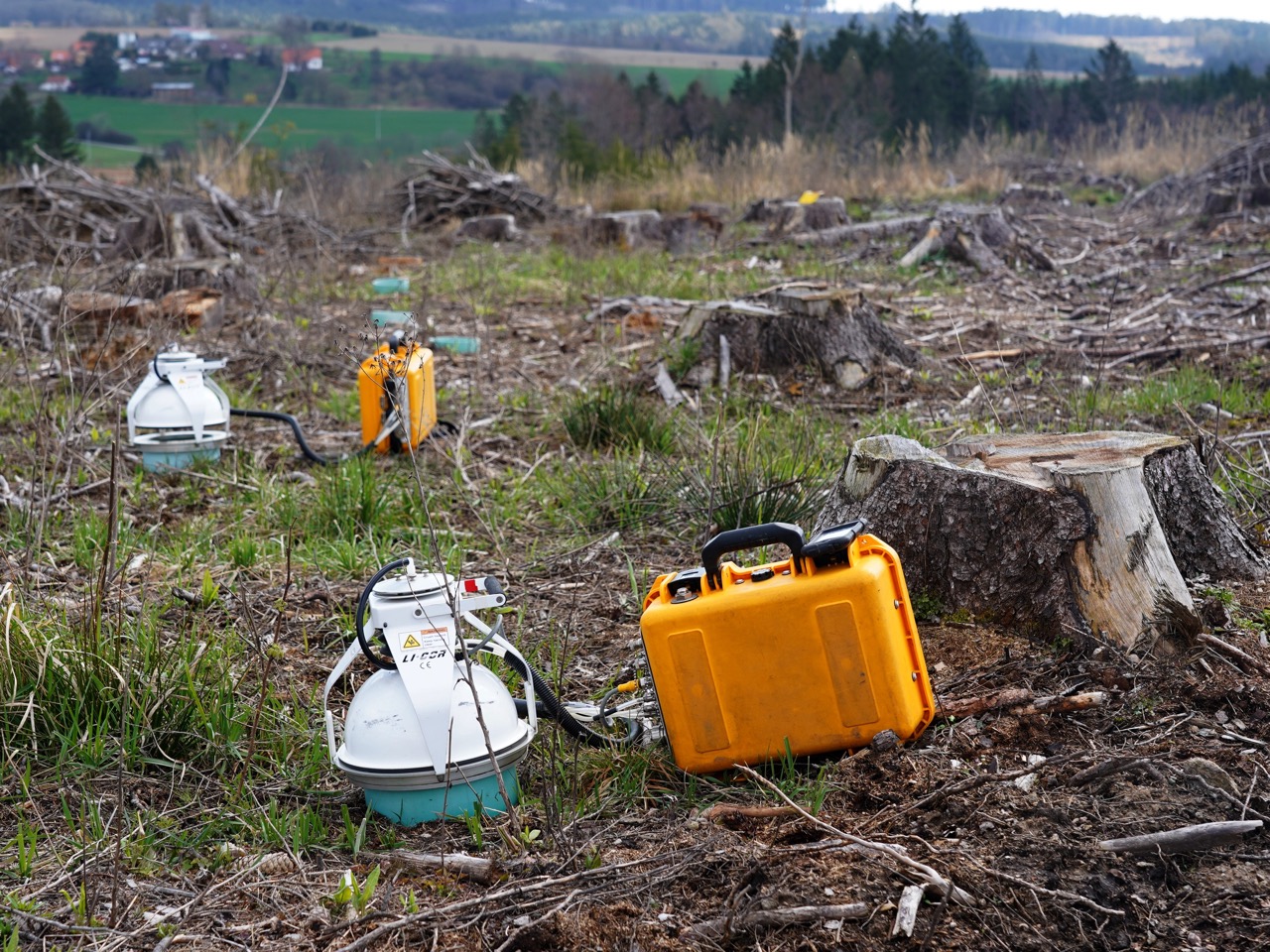
Manual measurements of soil CO2 efflux
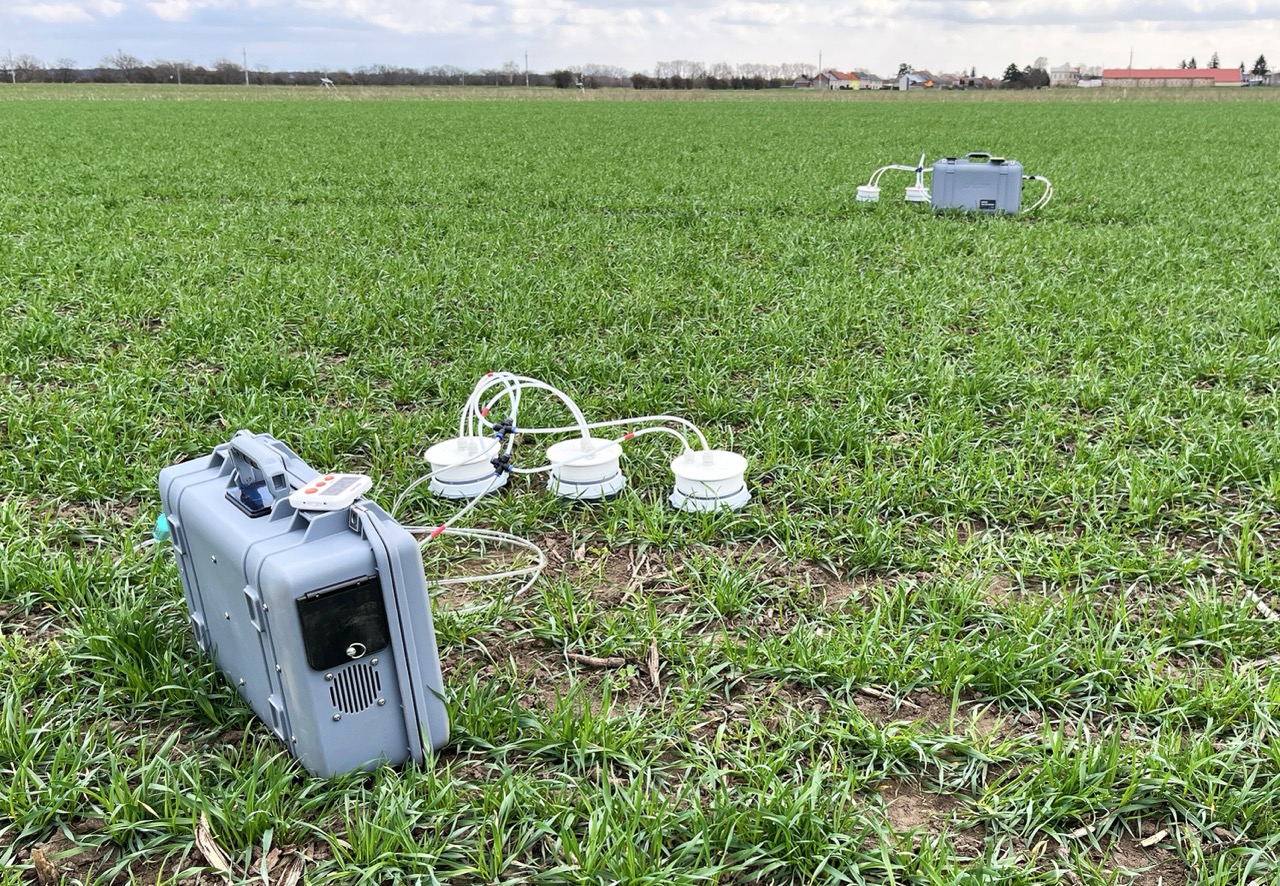
Measurements of greenhouse gas emissions from agricultural soils
Methane (CH4) emissions from aquatic ecosystems
Methane is a powerful greenhouse gas responsible for approximately 20% of current global warming. Its atmospheric concentration has increased more rapidly in relative terms than that of CO2. Methane comes from a wide range of sources. In addition to well-known human-related sources, such as fossil fuel extraction and processing, agriculture, and waste management, natural sources, particularly aquatic ecosystems, contribute substantially to global methane emissions.
In aquatic environments, methane is produced by microorganisms that break down organic matter under oxygen-free conditions, mainly in waterlogged sediments. The methane can then escape into the atmosphere through diffusion or as bubbles rising through the water. Methane production in aquatic ecosystems is therefore a natural part of the carbon cycle. However, even emissions from natural sources can be indirectly affected by human activities. Rising temperatures, increased nutrient inputs, and changes in land use can alter methane production and release, potentially increasing emissions from aquatic ecosystems.
Key research questions
- How much CH4 is released into the atmosphere from lakes, ponds, and streams?
- How do environmental factors, such as temperature, dissolved oxygen concentrations, and sediment composition, affect CH4 emissions from aquatic ecosystems?
- How important are methanotrophic bacteria, which consume methane by oxidising it, in reducing CH4 emissions from aquatic ecosystems?
- How much do water bodies contribute to the overall CH4 emissions of floodplain forest ecosystems?

Measurement of diffusive methane fluxes using a floating chamber
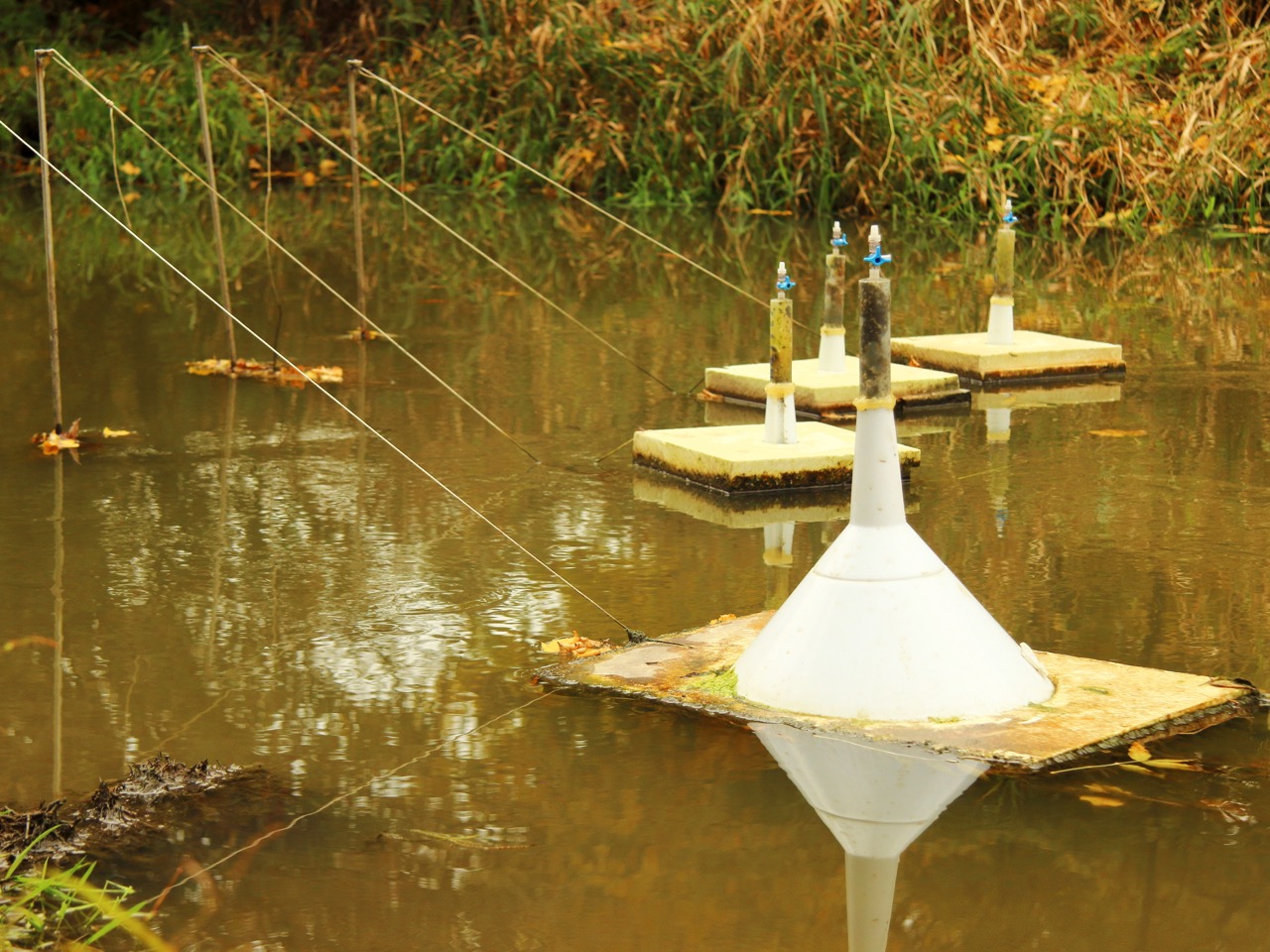
Funnel traps used to measure methane emissions through bubble release (ebullition)
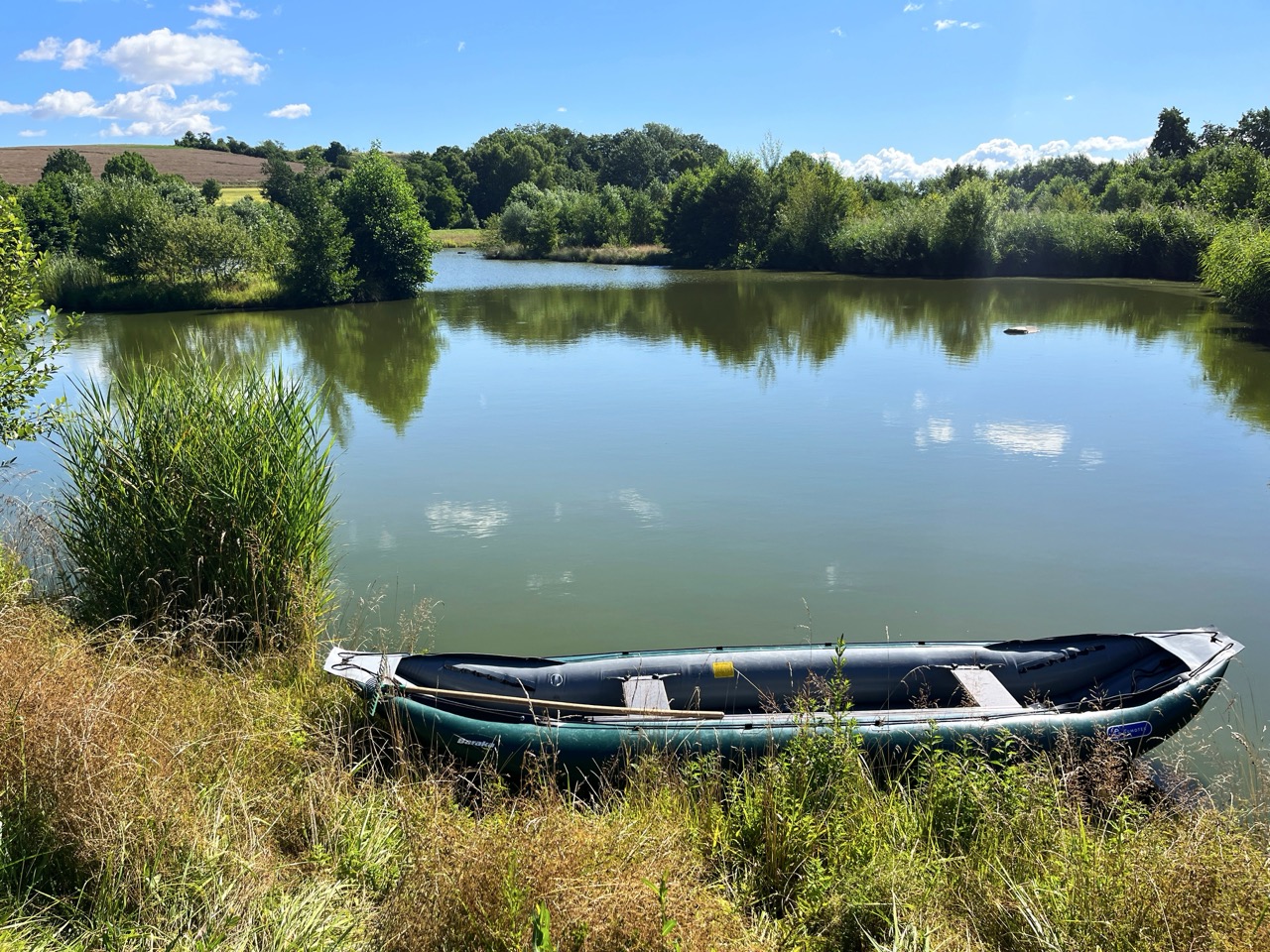
A means of transport used for methane emission research
Transpiration – water loss from plants
Transpiration is the main process through which water is transferred from forests to the atmosphere. Trees absorb water through their roots and transport it through their stems to the leaves, where it evaporates into the atmosphere through pores called stomata. We monitor this water movement by measuring sap flow, the rate at which water moves through the tree stem.
Transpiration is closely linked to the energy that forests receive from sunlight. When water evaporates, it uses part of this energy, reducing the amount available to heat the surrounding air. In this way, trees help prevent excessive warming and moderate temperature extremes, particularly during hot summer days.
However, the ability of forests to regulate water and temperature strongly depends on water availability. During drought, trees reduce transpiration to conserve water, and under severe conditions, it may almost completely stop. As a result, forests become less effective at moderating high temperatures. Different tree species respond to water shortages and heat stress in different ways.
By studying water transport through tree stems, we can better understand how forests function, how different tree species cope with drought and heat, and how forest ecosystems may respond to ongoing climate change.
Key research questions
- How much water do forests use and release into the atmosphere through transpiration?
- How does the forest water balance change throughout the year and during periods of drought?
- How do trees respond to water shortages and heat stress?
- Which tree species are better able to cope with changing climatic conditions in terms of their water use and drought tolerance?
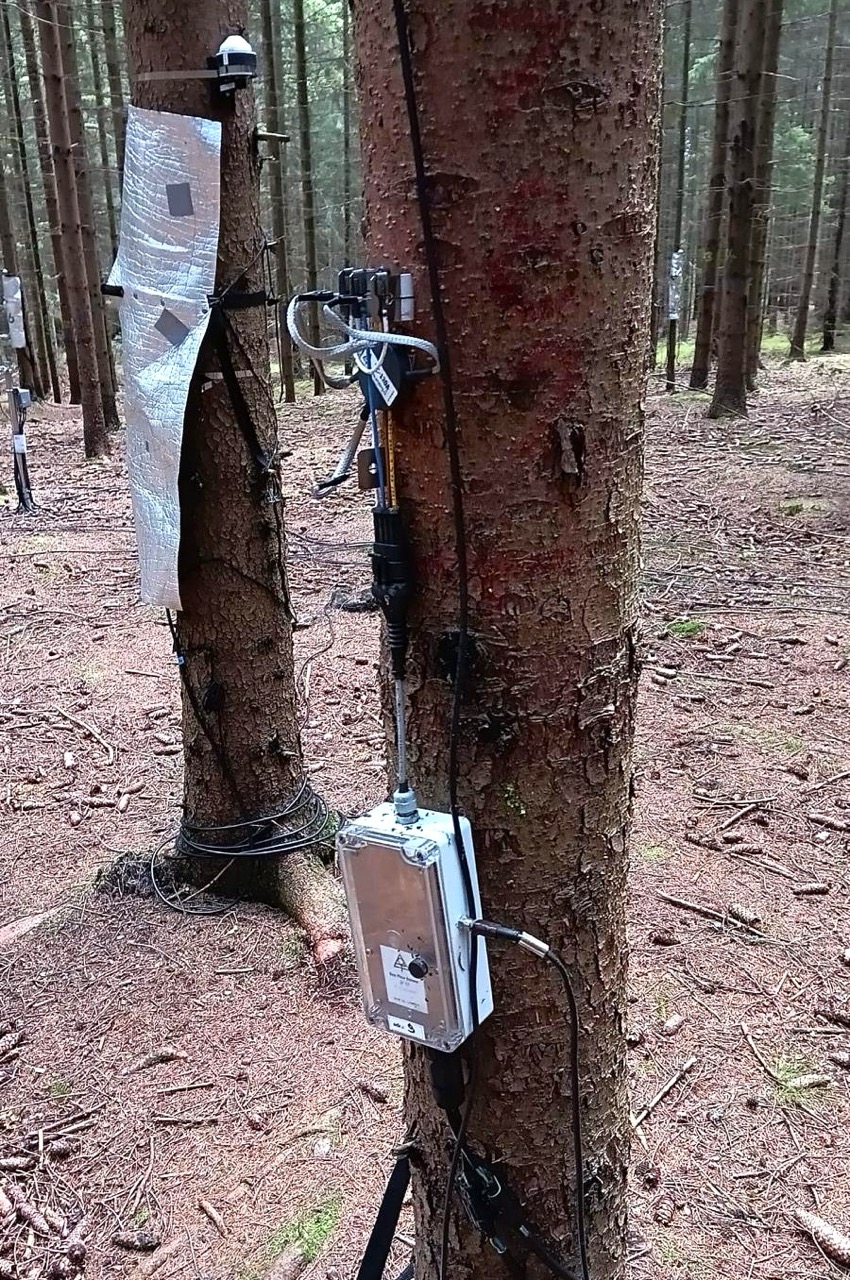

Measurement systems for determining sap flow velocity in the stems of trees and shrubs
Explore our research – videos and articles
- Introduction video about our department
- Video about the Lanžhot ecosystem research station
- Video about measuring greenhouse gas emissions from water bodies
- Popular science article on methane emissions from aquatic ecosystems
- An article on ČT24 about afforestation and climate change
- An article on ČT24 about the effects of forest harvest on CO2 fluxes
Selected publications
Bednařík, A.; Dařenová, E. Dominance of methane emission pathways differs between small ponds with contrasting dissolved oxygen status. Communications Earth & Environment, 2026. https://doi.org/10.1038/s43247-026-03786-4
Frouz, J.; Kučera, J.; Jacka, L.; Sanda, M.; Oppong, J.; Řehořková, Š.; Bartuska, M.; Vinduskova, O. Relationship between tree transpiration and soil properties: Do trees with higher water demand promote formation of soils with higher water retention? Journal of Hydrology and Hydromechanics 74(3): 271–279, 2026. https://doi.org/10.2478/johh-2026-0020
Brovkina, O.; Bednařík, A. Multi-year methane emission measurements at a municipal solid waste landfill using airborne SWIR imaging and ground-based flux chambers. Environmental Technology & Innovation 2026(43): 1–17, Article number 105187, 2026. https://doi.org/10.1016/j.eti.2026.105187
Dařenová, E. Temporary reductions of stem CO2 efflux during rainfall events across tree species. Agricultural and Forest Meteorology 380: Article number 111092, 2026. https://doi.org/10.1016/j.agrformet.2026.111092
Dařenová, E.; Horáček, P.; Acosta, M.; Fajstavr, M.; Krejza, J. Unraveling vertical stem CO2 efflux variability in Norway spruce: A decadal perspective. Trees 40: Article number 37, 2026. https://doi.org/10.1007/s00468-026-02749-8
Dušek, J.; Novotný, J.; Navrátilová, B.; Mejdová, M.; Kokrda, L.; Stellner, S.; Kučerová, A. Plant species as ecological engineers of microtopography in a temperate sedge-grass marsh. Scientific Reports 2025(15): Article number 13432, 2025. https://doi.org/10.1038/s41598-025-98067-z
Juráň, S.; Karl, T.; Ofori-Amanfo, K.; Šigut, L.; Zavadilová, I.; Grace, J.; Urban, O. Drought shifts ozone deposition pathways in spruce forest from stomatal to non-stomatal flux. Environmental Pollution 2025(372): Article number 126081, 2025. https://doi.org/10.1016/j.envpol.2025.126081
Nezval, O.; Foltýnová, L.; Fajstavr, M.; Krejza, J.; Šigut, L.; Světlík, J.; Řehořková, Š.; Stojanović, M. Temperature-Driven onset and light quality-linked senescence in Fagus sylvatica phenology. Agricultural and Forest Meteorology 375: 1–12, Article number 110834, 2025. https://doi.org/10.1016/j.agrformet.2025.110834
Bednařík, A.; Bodmer, P.; Dařenová, E.; Kokrda, L.; Pavelka, M. Temperature, Water Depth, and Flow Velocity Are Important Drivers of Methane Ebullition in a Temperate Lowland Stream. Journal of Geophysical Research: Biogeosciences 129(5): Article number e2023JG007597, 2024. https://doi.org/10.1029/2023JG007597
Dařenová, E.; Adamič, P. C.; Čater, M. Effect of temperature, water availability, and soil properties on soil CO2 efflux in beech-fir forests along the Carpathian Mts. Catena 240: Article number 107974, 2024. https://doi.org/10.1016/j.catena.2024.107974
Stojanović, M.; Jocher, G.; Kowalska, N.; Szatniewska, J.; Zavadilová, I.; Urban, O.; Čáslavský, J.; Horáček, P.; Acosta, M.; Pavelka, M.; Marshall, J. Disaggregation of canopy photosynthesis among tree species in a mixed broadleaf forest. Tree Physiology 44(7): Article number tpae064, 2024. https://doi.org/10.1093/treephys/tpae064
Dařenová, E.; Holub, P.; Bednařík, A.; Klem, K. Responses of soil CO2 efflux and microbial activity to water deficit under conventional and adaptation technology. Soil & Tillage Research 234: Article number 105856, 2023. https://doi.org/10.1016/j.still.2023.105856
Dušek, J.; Anna, F.; Stellner, S.; Kazda, J. Stems of Phragmites australis are buffering methane and carbon dioxide emissions. Science of The Total Environment 2023: Article number 882, 2023. https://doi.org/10.1016/j.scitotenv.2023.163493
Ghisi, T.; Fischer, M.; Kowalska, N.; Jocher, G.; Orság, M.; Bláhová, M.; Nieto, H.; Homolová, L.; Žalud, Z.; Trnka, M. Faster evapotranspiration recovery compared to canopy development post clearcutting in a floodplain forest. Forest Ecology and Management 532: Article number 120828, 2023. https://doi.org/10.1016/j.foreco.2023.120828
Zavadilová, I.; Szatniewska, J.; Stojanović, M.; Fleischer Jr, P.; Vágner, L.; Pavelka, M.; Petrík, P. The effect of thinning intensity on sap flow and growth of Norway spruce. Journal of Forest Science 69(5): 205–216, 2023. https://doi.org/10.17221/17/2023-JFS